Ukraine strikes Yaroslavl and Ufa oil refineries deep in Russia
Zelensky said drones hit the Slavneft-Yanos and Bashneft-Novoil plants to cut Russia's oil revenue.
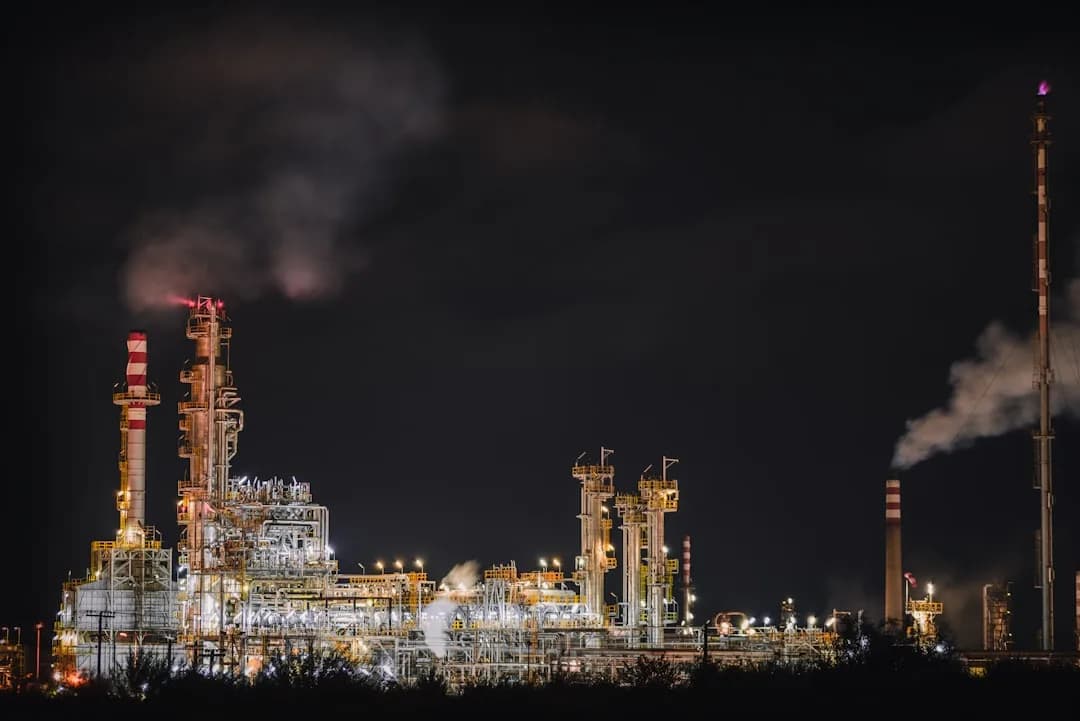
Ukraine struck two oil refineries deep inside Russia in overnight drone attacks, President Volodymyr Zelensky said on Thursday, in strikes his government described as an effort to cut the revenue Moscow uses to pay for the war. Zelensky said Ukraine's armed forces hit the Slavneft-Yanos refinery in the Yaroslavl region and the Bashneft-Novoil refinery in Ufa, in the Republic of Bashkortostan. He announced both strikes on social media on August 6, 2026. Russian regional authorities confirmed that drones reached Yaroslavl and reported that at least four people were injured in that region.
The Slavneft-Yanos plant is one of Russia's five largest refineries, with an annual crude oil processing capacity of 15 million metric tons, according to the Kyiv Independent. The site sits more than 700 kilometers, or about 435 miles, from the Ukrainian border, the outlet reported, and UPI placed it roughly 435 kilometers northeast of Moscow. The Bashneft-Novoil refinery in Ufa lies more than 1,300 kilometers behind the front line, according to Zelensky, and processes 7.4 million metric tons of crude a year, the Moscow Times reported. The plant produces gasoline and diesel among other refined products, according to Militarnyi.
Today, our long-range sanctions once again worked to limit Russia's oil revenues, which it uses to finance the war and the killing of Ukrainians.
Ukraine's General Staff said in a battlefield report that a fire broke out at Slavneft-Yanos, with three separate seats of fire confirmed at the site. Early reports from the General Staff said a combined processing unit and an L-35-11/1000 catalytic reforming unit were struck in the Yaroslavl attack, and that the scale of the damage was still being confirmed. A fire also broke out at Bashneft-Novoil, the General Staff said, where the same types of units were reported hit. Ukraine did not give a final assessment of the damage to either refinery.
What the General Staff reported
The overnight operation was carried out by special operations units of Ukraine's military intelligence, known as the HUR, in coordination with other components of the Defense Forces, according to Militarnyi, a Ukrainian defense outlet. The General Staff said Ukrainian forces also struck drone control equipment in Russian-occupied Ukrainian territory during the same window. Zelensky said the Bashneft-Novoil strike hit a facility more than 1,300 kilometers, or 808 miles, from the front line. The naming of specific processing units, rather than only fire reports, points to targeting of refining equipment rather than storage tanks, according to the General Staff account.
Yaroslavl region Governor Mikhail Yevrayev said air defense forces had repelled what he called the largest-ever enemy drone attack over the region, claiming 92 Ukrainian drones were intercepted. He reported at least four people injured and several homes damaged, and did not mention the fire at Slavneft-Yanos. Russia's Defense Ministry said it intercepted 605 Ukrainian drones across Russia and Crimea between Wednesday night and Thursday morning. The governor's claim that the raid was fully downed could not be reconciled with footage that showed fires burning on the refinery grounds, according to the outlets that reviewed it.
Yevrayev announced at roughly 3 a.m. local time that the region was under attack, and said traffic on the highway from Yaroslavl toward Moscow had been closed for safety. Footage circulated on Telegram by the channel Exilenova-Plus showed thick black smoke over the plant, and open-source analysts at Militarnyi said they located the fires on the refinery grounds. Authorities in Bashkortostan had not commented on the Ufa strike, the Moscow Times reported. In the Tver region, officials reported damage to a warehouse operated by the online retailer Wildberries during the same attack window, the paper said.
A campaign against refineries
The August 6 attack was the seventh confirmed strike on Slavneft-Yanos in 2026, according to Euromaidan Press, which listed earlier hits on March 28, April 26, May 8, May 22, July 6 and July 16. In the July 16 attack, an FP-1 drone struck the plant's tank farm, the outlet said. The Ufa strike was at least the third reported attack on Bashneft refineries in the city over the past week, the Moscow Times reported. Ukraine has knocked out around 26 plants this year with expanded FP-1 deep strikes, Euromaidan Press said.
By late July, only eight of the struck refineries had fully restarted, at least 11 had partially restarted and seven remained idle, according to Euromaidan Press. The outlet said Russian refining had fallen to 3.6 million barrels a day, its lowest level since May 2002. The strikes have crimped domestic fuel supply, and Russia has introduced a range of restrictions on petrol sales across the country, CNBC reported. Drivers were already lining up to refuel at a Gazpromneft station in Yaroslavl as recently as July 15, according to the network.
Russia loosens a fuel rule
A day before the latest attack, Russia's Ministry of Energy authorized the sale of Euro-2 gasoline through July 2027, according to Tech Times. Euro-2 is a fuel grade Russia banned in 2013 because it contains 50 times the sulfur of modern fuel, the outlet reported. Tech Times attributed the move to repeated FP-1 strikes on Slavneft-Yanos that destroyed the catalytic reforming units used to make high-octane, low-sulfur gasoline. Those are the same units Ukraine's General Staff said were hit again on August 6. The outlet described the authorization as quietly issued.
Zelensky said Ukraine also struck Russian targets in the Black Sea during the same operation. In a post reported by the Moscow Times, he said two military patrol boats and shadow fleet vessels had been struck. Russia uses that so-called shadow fleet to evade Western restrictions on its oil exports, according to The Washington Times, which noted that Zelensky gave no details on the vessels or the extent of the damage. Russian strikes on Ukraine overnight killed six people and wounded 28 across Ukraine's Kharkiv, Sumy and Odessa regions, UPI reported.
What remains unconfirmed
The full extent of the damage at both refineries had not been established. Ukraine's General Staff said twice that the scale of the damage was still being confirmed, and neither Russian federal authorities nor the operators had detailed the harm to the plants. Authorities in Bashkortostan had not commented on the Ufa strike, the Moscow Times reported. The four reported injuries in Yaroslavl were attributed by regional authorities to falling drone debris, according to The Washington Times. No fatalities were reported at either refinery, UPI said.
Zelensky framed the strikes as part of a sustained effort to reduce the oil revenue that funds Russia's war, calling the drone attacks long-range sanctions. Ukraine has struck most of Russia's oil refineries in recent months, the Moscow Times reported, and the campaign has spread fuel shortages from city pumps to farms and buses, according to Euromaidan Press. Russia's Defense Ministry did not address the refinery fires directly in its overnight account, reporting instead the number of drones it said were intercepted. UPI described the strikes as continuing a pattern of escalation by both sides.
Sources for this article
9 sources · all documents · Retrieved 6 Aug 2026
- 1Ukraine General Staff report on strikes in Yaroslavl and Ufa
- 2Kyiv Independent report on the deep-strike drone attack
- 3Moscow Times report on the Yaroslavl and Bashkortostan strikes
- 4UPI report on overnight strikes and casualties
- 5Washington Times report on strikes deep inside Russia
- 6CNBC report on the long-range drone attack and fuel restrictions
- 7Euromaidan Press analysis of the refinery campaign
- 8Militarnyi report on the Slavneft-YANOS strike
- 9Tech Times report on the Euro-2 gasoline authorization
More from Threadline News
 WorldBoy, 15, survives days on overturned skiff in Bering Sea11 Sep 2026
 WorldRetired general warns Kremlin car may have exposed Trump envoys' phones9 Sep 2026
 World500 teens swarm Aurora shopping center, police declare unlawful assembly2 Sep 2026
 WorldSwiss police arrest 43-year-old in deadly Aarau rave shooting31 Aug 2026
 WorldThieves steal 673-diamond royal necklace from Vienna museum29 Aug 2026
 WorldRussia warns it could strike British military targets over Kyiv's missiles28 Aug 2026
The Numbers
AllOfficial series, each dated to the observation it comes from.
Federal Reserve Bank of St. Louis