Lawsuit names Trader Joe's wraps in 50-case E. coli outbreak
Federal regulators count 50 illnesses and still have not named a brand or retailer.
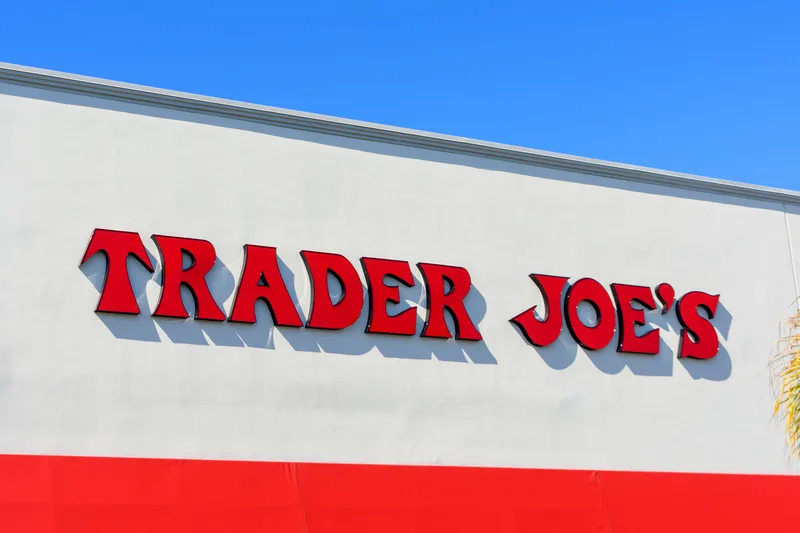
Two women who say they were hospitalized with E. coli infections in late August have sued Trader Joe's, alleging that the chain's Tarragon Chicken Salad Wraps made them sick in an outbreak federal regulators have counted at 50 illnesses without naming a brand.
| Pathogen | E. coli O157:H7 |
| Product | Multi-ingredient chicken wrap (suspected) |
| Illnesses | 50 |
| Recall | None listed |
| Traceback, inspection, sampling | Initiated |
| First posted | Sept. 23, 2026 |
As filed
The Food and Drug Administration posted the count of 50 on Oct. 15, about three weeks after it first listed the outbreak on Sept. 23, according to the agency's foodborne outbreak investigation table as reported by Medical Daily. The strain is E. coli O157:H7, and the agency lists the wraps as a suspected source rather than a confirmed one.
What the federal listing says
Investigators have started traceback, on-site inspections and sample collection, and the table shows the outbreak as ongoing with no recall listed. The FDA has not said what food is being traced, which locations are being inspected or what is being tested.
Food Safety News reported that neither the FDA nor the U.S. Department of Agriculture has identified the brand involved or the region where the wraps were sold. The FDA, in keeping with its usual practice, has not released patients' ages or where they live, and no manufacturer, retailer or affected state has been named publicly.
Two agencies share the investigation because the wraps contain chicken: the USDA's Food Safety and Inspection Service has jurisdiction over poultry and tracks the outbreak on its own table, while the FDA is responsible for the rest of the ingredients.
The FDA said it is now examining "possible ingredient level contamination," and the USDA is working to determine whether the chicken was used in other products. Chicken is not usually the source of E. coli in outbreaks, Food Poisoning Bulletin noted, while lettuce, baby spinach, onions and carrots have all been linked to past E. coli outbreaks.
The wraps "were proactively removed from the market before the link to the outbreak was confirmed" and are past their shelf life, the FDA said. The agency has not said who removed them, or on what date.
Two women, two states
Meaghan Egan Bright, of Somerville, Massachusetts, bought a wrap at a Trader Joe's in Allston on Aug. 24 and ate it that day, according to her attorneys at Marler Clark. She fell ill on Aug. 27 and sought treatment at Cambridge Health Alliance on Aug. 30 after developing bloody diarrhea. She was sent home, then called an ambulance and was hospitalized at Massachusetts General Hospital from Aug. 31 through Sept. 6.
Gayle Gottlieb, of Pembroke, North Carolina, bought three of the same wraps at a Trader Joe's in Myrtle Beach, South Carolina, on Aug. 23 and ate one on Aug. 27. By Aug. 30 she was in the emergency department at UNC Southeastern Hospital in Lumberton. She was discharged the next day, returned with severe dehydration and was admitted to Scotland Memorial Hospital in Laurinburg on Sept. 2, according to the complaint.
Both are working adults who bought a sealed, ready-to-eat meal from a national grocery chain, trusting it was safe to eat.
Bright and Gottlieb are suing Trader Joe's Company in the U.S. District Court for the Central District of California, Patch reported. The complaint pleads strict product liability, negligence, negligence per se and breach of implied warranty, and requests a jury trial. The case is captioned Gottlieb and Bright v. Trader Joe's Company, No. 2:26-cv-12017.
Allegations, not findings
Trader Joe's did not immediately respond to the suit, MyNewsLA reported. The allegations have not been tested in court, and no court has found the company responsible for any illness. The FDA's public listing does not identify Trader Joe's, or any other brand, as the source.
Free. One click to unsubscribe.
Testing confirmed a Shiga toxin-producing E. coli infection in Bright, and physicians warned her that she was at risk of hemolytic uremic syndrome, a complication that can cause kidney failure, her attorneys said. She described the experience as the worst pain she had ever experienced, and the Somerville Board of Health and the Massachusetts Department of Public Health told her she was part of a multistate outbreak.
Laboratory testing confirmed an E. coli infection in Gottlieb, North Carolina health officials classified her as a confirmed outbreak case, and public health records identified a wrap from Trader Joe's as the source of her illness, her attorneys said.
Korchia said Trader Joe's already knows who made the wrap, what went into it, which stores received it and when the products left shelves, and that she expects discovery in the lawsuit will eventually make that information public. William Marler, the firm's managing partner, has said the FDA and USDA know the manufacturer, brand and stores involved but have not disclosed them.
The FDA issues a public health advisory only for investigations that produce "specific, actionable steps" for consumers, and none has been posted for this outbreak, Medical Daily reported. No public health alert has been issued either. Because the agency says the wraps are already past their shelf life, there may be little or no product left in people's homes.
Fifty confirmed cases, likely more
Some sick people never see a doctor and others are not specifically tested for E. coli, so the official count likely understates the outbreak's size, Food Safety News reported.
The CDC estimates that for every reported E. coli O157 infection, about 26 go undiagnosed. That is a national estimate, and the FDA has not published a figure for how many unreported illnesses it believes are tied to these wraps.
The FDA table had listed 38 cases a week earlier.
The outbreak surfaced on the FDA's Core Outbreak Investigation Table rather than in an announcement from the FDA or the CDC, which Food Poisoning Bulletin described as unusual. The table does not give patients' locations, their illness onset dates, their age range or whether anyone has been hospitalized.
Symptoms of a Shiga toxin-producing E. coli infection can begin anywhere from a few days to as long as nine days after eating contaminated food, the FDA says. The CDC says most people develop diarrhea that can be bloody or watery along with stomach cramps that can be severe, and some also have vomiting or a low fever. Some infections clear up without medical treatment within five to seven days.
The FDA says children younger than 5, adults older than 65 and people with weakened immune systems are more likely to become seriously ill, though healthy older children and young adults can also get very sick. The CDC calls hemolytic uremic syndrome, which can lead to kidney failure, a medical emergency. The FDA has not reported any hospitalizations, HUS cases or deaths in this outbreak.
What investigators have not said
Officials have not said whether a contaminated ingredient reached other foods, and no other product has been publicly linked to the outbreak.
The FDA lists the investigation as active and the outbreak as ongoing, with no recall and no consumer advisory. More than three weeks after the agency first posted the outbreak, neither it nor the USDA has named the product, the company that made it or the stores that sold it.
More from Threadline News
 HealthEast Greenbush police find Dominick Bianchi dead in wooded area14 Sep 2026
 HealthPanorama Produce recalls mangoes sold at Walmart over Salmonella1 Sep 2026
 HealthHalf of prostate focal therapy falls outside guidelines, study finds22 Aug 2026
 HealthUS cyclosporiasis cases reach 15,716, over 13 times last year's total21 Aug 2026
 HealthFDA approves the first mRNA flu shot after refusing to review it10 Aug 2026
 HealthHead Start rule strips federal standards and adds new mandates8 Aug 2026
Free. One click to unsubscribe, in every email. We do not sell or share addresses: privacy.
The Numbers
AllOfficial series, each dated to the observation it comes from.
Federal Reserve Bank of St. Louis