Judge voids Rubio visa freeze for 75 countries
A federal judge in Manhattan held the nationality-based pause unlawful and beyond Marco Rubio's authority.
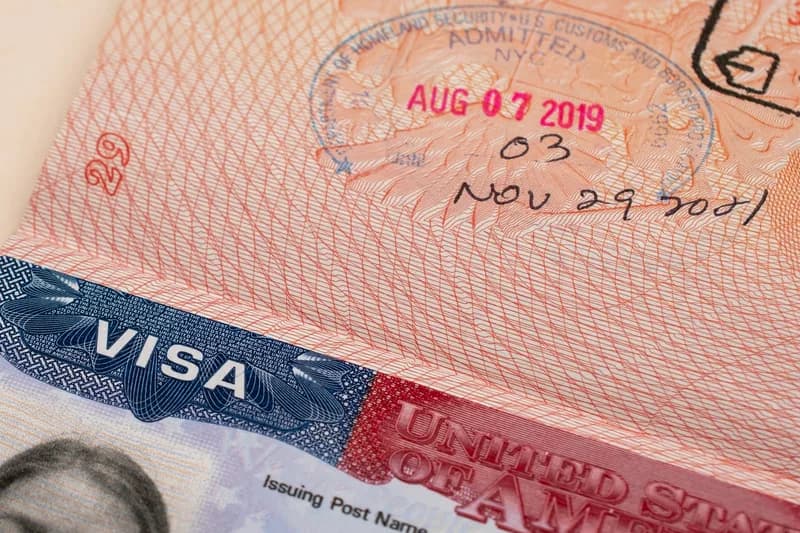
A federal judge on August 21 voided the Trump administration's pause on immigrant visas for nationals of 75 countries, ordering the government to resume processing applications it had frozen since January on public charge grounds.
The Policy, which categorically prohibits the issuance of immigrant visas based upon the nationality of the applicant, represents a direct abrogation of this statutory scheme.
Judge Jeannette Vargas of the Federal District Court in Manhattan found the pause was 'contrary to law' and exceeded the authority of Secretary of State Marco Rubio, who signed it. The State Department announced the policy on January 14, saying it would keep out people the administration expected to draw welfare and public benefits. It took effect on January 21.
What the freeze covered
The freeze applied only to immigrant visas, the category that leads to permanent residence through a family member or a job offer. Tourist, student and other nonimmigrant visas were not frozen, though a companion cable told officers to screen those applicants for likely use of public benefits. Families sponsoring relatives and workers with employer petitions saw their cases frozen.
The list spanned almost 40 percent of the world's nations, from Brazil and Colombia to Somalia, Russia, Iran and Afghanistan. According to court records, the State Department assembled it using Council of Economic Advisers data, targeting countries where more than 30 percent of immigrant households received some form of public assistance.
| South Asia | Pakistan, Bangladesh, Nepal |
| Africa | Nigeria, Ethiopia, Ghana, Somalia, Egypt, Sudan |
| Middle East | Iran, Iraq, Yemen, Syria, Jordan |
| Other | Russia, Afghanistan, Albania, Fiji, Thailand |
As filed
The opinion lists all 75 countries in a footnote. The suspension had been in place since January 21, freezing cases the plaintiffs' lawyers said affected hundreds of thousands of families.
The law the judge applied
The Immigration and Nationality Act, as amended in 1965, bars discrimination based on nationality in the issuance of immigrant visas, and it gives consular officers exclusive authority to decide eligibility using detailed statutory criteria. Vargas wrote that the policy undermined that design by placing an applicant's nationality ahead of the individual review Congress required.
Under the statute, an applicant can be denied as a likely public charge, meaning someone likely to become primarily dependent on the government for subsistence, only after a consular officer weighs that person's own finances, age, health, skills and family situation. Vargas declined to hold that the policy conflicted with that provision, finding instead that it collided with the bar on nationality discrimination and with the authority Congress gave consular officers.
A cable Rubio sent to every diplomatic and consular post, entered into the case record, directed officers to refuse applicants even when they submitted additional evidence that they could overcome the public charge concern. It also told consulates to refuse applicants already approved but whose visas had not yet left the building.
Vargas ordered a vacatur, which terminates the entire suspension nationwide and sets aside visa denials issued solely under the policy. Denials grounded on separate legal reasons still stand, so it is not yet clear how many rejected applications could ultimately be reversed.
For those applicants, the case-by-case review that Congress required now returns.
The travel ban precedent
The administration's lawyers leaned on the Supreme Court's 2018 decision in Trump v. Hawaii, which upheld the third version of the first-term travel ban. Vargas distinguished that case, writing that it turned on the president's power to decide who may enter the country, while the visa policy turned on a different question, whether a visa may be issued at all.
The administration prevailed on two narrower questions. Vargas agreed the policy was not the kind of formal rule that must be opened to public comment before it took effect, and she rejected the argument that it conflicted with the public charge provision itself. Otherwise she held it was 'patently unlawful' and vacated it under the Administrative Procedure Act.
Free. One click to unsubscribe.
The lawsuit was filed by two nonprofit organizations, the Catholic Legal Immigration Network and African Communities Together, joined by 11 individuals. Six were U.S. citizens who had petitioned for relatives abroad, some of whom had already been refused visas; five were intending immigrants who had filed employment-based petitions on their own behalf.
A coalition that included the National Immigration Law Center, The Legal Aid Society, Democracy Forward, the Center for Constitutional Rights and the Western Center on Law & Poverty represented the plaintiffs. Susan Welber, a supervising attorney at The Legal Aid Society, said the administration 'cannot weaponize the public charge ground of inadmissibility to keep families apart.'
Diana Konate of African Communities Together called the decision 'a tremendous victory for the rule of law' and said the group could finally tell its members that the ban was over.
What happens next
Vargas gave both sides until September 11 to propose how to resolve what remains of the case.
The administration can appeal to the U.S. Court of Appeals for the Second Circuit, and as of Saturday it had not said whether it would. It could also try to reissue a narrower policy grounded in the individualized public charge assessments the statute permits, which the decision does not foreclose.
A string of court losses
The ruling is the latest instance of federal courts checking the administration's immigration agenda. On June 5, Chief Judge John J. McConnell Jr. in Rhode Island struck down a separate set of policies that had made it harder for immigrants from 39 countries to pursue asylum, work permits, green cards and citizenship. Of the visa ruling, Joanna Cuevas Ingram, a senior staff attorney at the National Immigration Law Center, said the court 'made clear that immigration laws cannot be used to justify discrimination.'
The decision came in a case known as CLINIC v. Rubio. A ruling in Washington on July 31, in De Moura Gomes v. Rubio, had granted relief to a single family, while the nationwide vacatur reaches applicants across all 75 countries rather than only the parties before the court.
The effect on families
The suspension separated relatives who were following the legal process, the plaintiffs said. Anna Gallagher, executive director of the Catholic Legal Immigration Network, said it 'separated spouses, parents, and children who were simply following the legal immigration process.' Many had already been approved when their cases stalled.
The State Department had defended the pause in blunt terms. In posts on X on January 14 it called the listed nations countries 'whose migrants take welfare from the American people at unacceptable rates,' and said it was 'working to ensure the generosity of the American people will no longer be abused.'
By the plaintiffs' account, hundreds of thousands of families were affected once the freeze took effect.
Vargas was appointed to the bench by former President Joe Biden in 2024. Her 61-page decision found the policy conflicted with the immigration statute and drew, in her words, 'pernicious distinctions based upon nationality.'
What remains uncertain
How quickly normal processing resumes is not yet settled. With both sides due back before the court by September 11 and the government still weighing an appeal, the pace of restarting adjudications for applicants in the affected countries remains open.
More from Threadline News
 PoliticsMilwaukee prosecutors charge Robbiel Stokes, 15, in classmate's killing29 Sep 2026
 PoliticsMacon sheriff to seek charges against adults in park shooting28 Sep 2026
 PoliticsButler rally survivor Jim Copenhaver dies at 76, lawsuit pending24 Sep 2026
 PoliticsThree Republican senators fault Don Jr. over Russian oligarch's payments20 Sep 2026
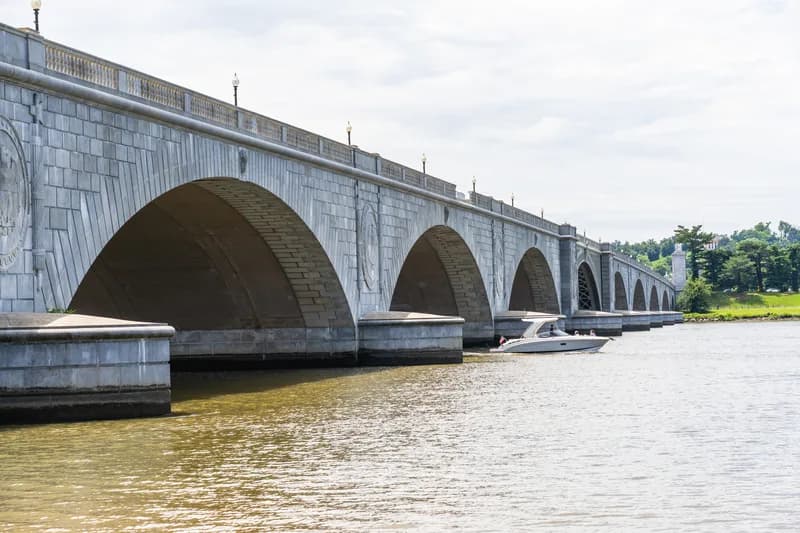 PoliticsTrump says Arlington arch will store drones and sniper ammunition20 Sep 2026
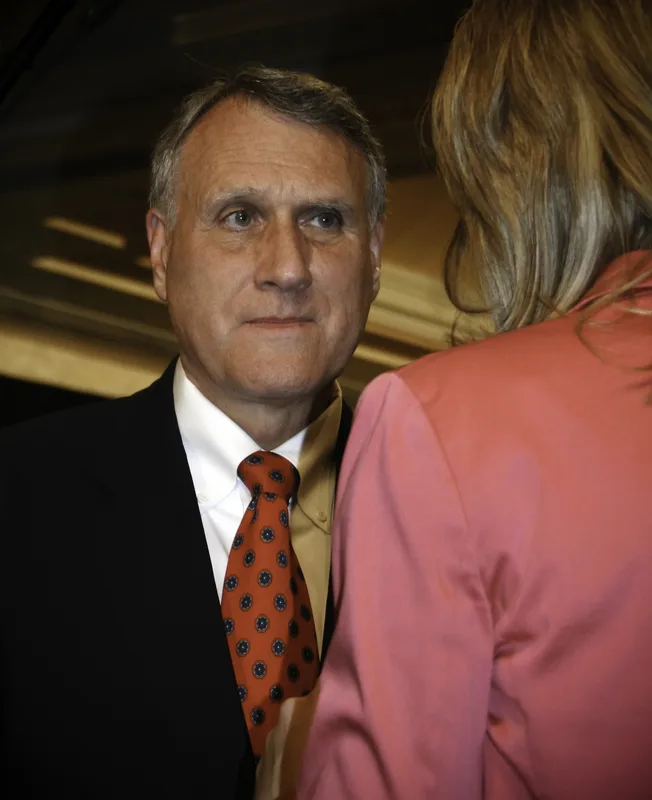 PoliticsJon Kyl, former Senate minority whip, dies at 8418 Sep 2026
Free. One click to unsubscribe, in every email. We do not sell or share addresses: privacy.
The Numbers
AllOfficial series, each dated to the observation it comes from.
Federal Reserve Bank of St. Louis