US moves to decertify Kentucky organ group Network for Hope
Federal reviews found concerning features in 103 of 351 cases at the group, HHS said.
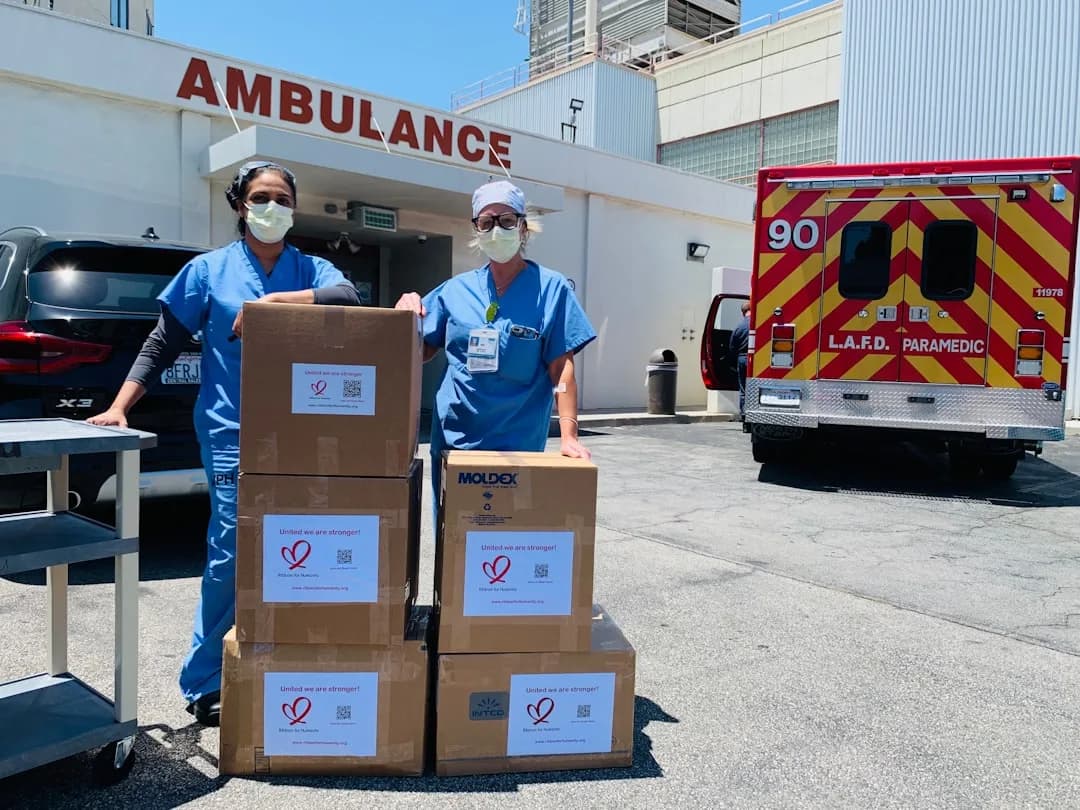
The U.S. Department of Health and Human Services began the process of decertifying Network for Hope, the federally designated organ procurement organization serving Kentucky and parts of Indiana, Ohio and West Virginia, on Wednesday, August 5, according to an HHS news release. Health Secretary Robert F. Kennedy Jr. announced the action at a press conference on the University of Kentucky campus in Lexington. Kennedy said the decision followed reviews by two federal agencies that found what he called persistent patient safety failures despite repeated warnings and corrective action plans.
The Health Resources and Services Administration examined 351 cases between 2021 and 2024 in which organ donation was authorized but not completed at Network for Hope, according to HHS. The agency found that 103 of those cases, close to 30 percent, showed what it described as concerning features, and it said some potential donors may not have been dead when the procurement process began. In 73 of the cases, HRSA said, patients showed neurological signs that were incompatible with organ donation. The agency had flagged its concerns in 2025 and directed a corrective action plan, HHS said.
What the reviews found
CMS completed its review in May 2026 and found that earlier quality concerns continued to surface, tied to donor evaluation and the review of adverse events, among other functions, HHS said. Both agencies concluded independently that the organization had not demonstrated sufficient improvement, which led the secretary to begin the decertification process through CMS. Kennedy told reporters that federal reviewers found serious deficiencies in nearly 30 percent of the cases they examined. He said the reviews identified repeated failures in clinical judgment and oversight that continued even after the organization had promised to correct them. HHS said the review followed repeated oversight and warnings.
The federal scrutiny grew in part from the case of Anthony Thomas Hoover II, known as TJ, a Richmond, Kentucky, man who was admitted to Baptist Health Richmond in October 2021 after cardiac arrest following an overdose, according to accounts from his family. Hoover remained unresponsive for two days, and his family agreed to donate his organs after deciding to withdraw life support. Officials said his story helped lead to the investigation. His case involved the donation-after-cardiac-death pathway rather than a declaration of brain death, family members and a former employee said.
The case behind the review
Hoover's sister, Donna Rohrer, said his eyes opened during the honor walk, the ceremonial procession before organ retrieval surgery. The physicians declined to proceed with the retrieval, and Hoover survived. Nyckoletta Martin, a former surgical preservation coordinator at the organization, said she reviewed Hoover's records and found no documentation of the testing typically used to declare brain death. Rohrer said Hoover has continued to recover in the years since, and that she is pleased with how his therapy is going. Officials said his account helped prompt the federal investigation.
Your courage and telling your story helped expose the serious failures in our organ donation system.
The case drew national attention and prompted an investigation by the Kentucky attorney general and hearings in Congress, according to news accounts. In September 2024, a former employee told a House subcommittee that supervisors had pressured staff to retrieve organs from a patient who was awake and who later left the hospital alive, an account that led the attorney general to open an inquiry into the organization's retrieval practices. A member of Congress likened one such account to a horror movie at a hearing in July 2025.
The organization's response
Network for Hope said it strongly disagrees with the decision and will appeal, and it stated that it complies with all federal organ policies and OPTN rules. The organization said that more than a year ago it put in place a safeguard it described as first of its kind, allowing anyone, including health professionals or family members, to call a pause in donation planning if there is any concern that a patient is not appropriate. It also said it helped shape Kentucky House Bill 510, which passed in April 2026 to standardize such pauses.
Barry Massa, the chief executive of Network for Hope, said in the organization's statement that the group serves 7 million people across four states and that more than 3,000 people waiting for a lifesaving organ transplant would be negatively affected by the decision. Network for Hope was established in October 2024 through a merger of Kentucky Organ Donor Affiliates and LifeCenter Organ Donor Network, according to the organization. HHS described the group as a successor to the organization that arranged the attempted procurement in the Hoover case. The organization said it remains dedicated to improving organ and tissue donation outcomes across its service area.
What happens in the region
Network for Hope will remain in place until a successor organization can be found, so that patients currently awaiting transplants continue to receive care, HRSA Administrator Thomas Engels said. Engels said the process of identifying a successor is underway and is overseen by CMS. He said HRSA and CMS would closely monitor the organization during the interim period. Officials at the press conference said care for patients served by Network for Hope would not stop during the transition. The agencies did not say how long the search for a successor would take.
The action is the second decertification of an organ procurement organization under the Trump administration, following the decertification of Life Alliance Organ Recovery Agency, a division of the University of Miami Health System, in September 2025, according to HHS. Network for Hope is one of about 55 such organizations that coordinate the recovery of organs from deceased donors and match them to patients on the national transplant list. Kennedy also directed every organ procurement organization in the country to appoint a patient safety officer to monitor and investigate safety events. HHS said the decertification is part of a reform initiative the secretary announced in July 2025.
| Donations authorized but not completed, reviewed | 351 |
| Cases with concerning features | 103 |
| Patients with neurological signs incompatible with donation | 73 |
As filed
More than 100,000 people are on the national transplant waiting list, and 17 die each day waiting for an organ, according to figures cited at the press conference. The cases in which patients showed signs of life during retrieval planning drew national attention and coincided with a measurable increase in people revoking their organ donor registrations, according to news accounts and federal officials. The surgeries in those cases were canceled. Federal officials said the reviews of Network for Hope ultimately led to the decision to begin decertification, and that HRSA had ordered a corrective action plan and monitoring program in 2025 before moving to decertify.
The patient safety officers will act as the first point of contact for families and hospital partners. They will also document incidents and lead root cause analyses for the organizations they oversee, HHS said. CMS Administrator Mehmet Oz said the action sent a message to every provider that participates in CMS programs that organizations unable to safeguard patients would be replaced. Network for Hope said it would appeal, and that appeal had not been resolved as of the announcement. HHS did not say when a successor would be named or when the decertification would be complete.
Sources for this article
9 sources · Retrieved 6 Aug 2026
- 1HHS, HHS Decertifies Kentucky Organ Procurement Organization to Protect Patients, Restore Trust
- 2The Epoch Times, Feds to Decertify Kentucky Organ Transplant Group
- 3WBKO, HHS decertifies organ procurement organization serving Kentucky, RFK Jr. says
- 4ABC News, US moves to shut a Kentucky organ donation group, citing safety failures
- 5Fierce Healthcare, HHS announces decertification of Network for Hope
- 6The Spokesman-Review, U.S. moves to decertify group that tried to collect organs from living patients
- 7Yahoo News, Family and ex-employee welcome Network for Hope decertification
- 8Becker's Hospital Review, HHS moves to decertify organ procurement organization
- 9Fox 56 News, U.S. cuts ties with Kentucky's organ donation Network for Hope
More from Threadline News
 HealthFDA approves the first mRNA flu shot after refusing to review it10 Aug 2026
 HealthHead Start rule strips federal standards and adds new mandates8 Aug 2026
 HealthPublic Citizen says Medicare delayed Creon price talks by seven years7 Aug 2026
 HealthSenate panel sends Fauci contempt referral to Justice Department6 Aug 2026
 PoliticsThree Republican senators fault Don Jr. over Russian oligarch's payments20 Sep 2026
 EntertainmentMichael Sweetney dies at 43, weeks into New Jersey coaching job20 Sep 2026
The Numbers
AllOfficial series, each dated to the observation it comes from.
Federal Reserve Bank of St. Louis