USDA confirms screwworm in Texas elk, first wildlife case of outbreak
A hunter reported the animal in Pecos County, where officials will redraw an infested zone.
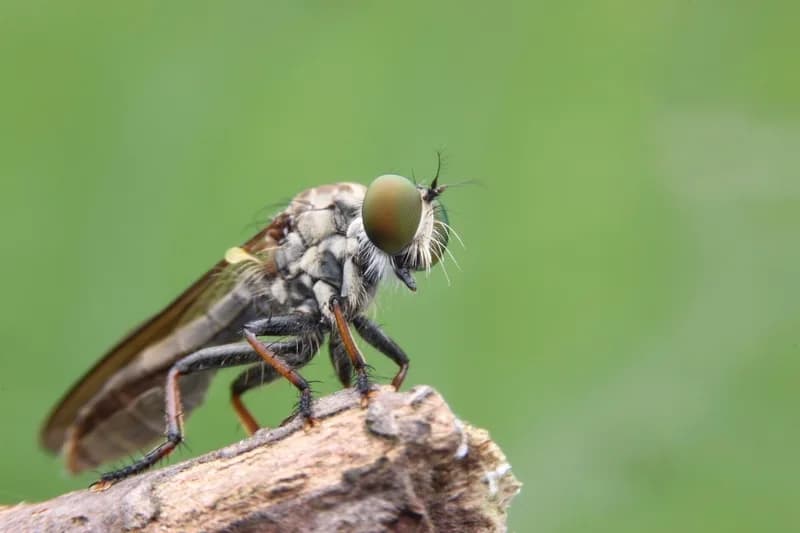
A hunter in Pecos County, Texas, harvested an elk infested with New World screwworm, the first wildlife case since the flesh-eating parasite returned to the United States this year and a widening of an outbreak that has already disrupted cattle trade with Mexico.
The U.S. Department of Agriculture's Animal and Plant Health Inspection Service announced the detection on Wednesday, Oct. 21. The elk was on a game ranch in Pecos County and was reported to the agency after the hunter killed it. The USDA and the Texas Parks and Wildlife Department have begun additional wildlife surveillance in the area, and the Texas Animal Health Commission will modify an infested zone it had already established.
The same day, agriculture officials in New Mexico confirmed screwworm in a beef cow in Otero County, the state's fifth case since the parasitic fly returned to the United States this summer, the Santa Fe New Mexican reported. The two detections were announced hours apart.
What the parasite does
New World screwworm is a parasitic fly that lays its eggs in open wounds or body openings of warm-blooded animals, including livestock and, in rare cases, humans. The larvae that hatch feed on living tissue, according to the Centers for Disease Control and Prevention.
The fly is typically found in South America and parts of the Caribbean, and it has pushed north through Central America and Mexico in recent years. It was eradicated from the United States decades ago. Its return to animals in this country dates to the summer, and cases have since been recorded in two states.
The first travel-associated human case in the United States was confirmed in August 2025. The patient recovered, and officials found no evidence of further transmission.
The USDA says New World screwworm does not affect food safety, though the agency has said it can cut into meat production.
The agency did not say how the elk became infested, or whether other animals on the Pecos County ranch have been examined. It did not name the ranch or its owner.
Neither the USDA nor Texas Parks and Wildlife has given a figure for how much ground the expanded wildlife surveillance covers, or for how many animals have been looked at since the elk was confirmed. Hunting season is under way in Texas, and officials asked anyone who sees signs of infestation to pass them on.
New Mexico's fifth case
State and federal agriculture officials announced the Otero County case on Wednesday evening. New Mexico's earlier cases involved a dog in Lea County, and two horses and a calf in Grant County, according to the Santa Fe New Mexican. No case had been reported in Otero County before this one.
This is a critical time as we move toward cooler weather. Cold daytime temperatures can slow screwworm activity, but the risk is not completely eliminated
Livestock officials have drawn an infested zone with a radius of at least 12.4 miles around each affected animal's location, the Santa Fe New Mexican reported. Animals inside the zone must be inspected and, if necessary, treated before they can be moved within it or out of it.
The New Mexico Department of Agriculture told animal owners to watch for wounds that fail to heal, injuries that get worse, foul-smelling discharge or unusual irritation. Anyone who suspects an infestation has been asked to contact the New Mexico Livestock Board and to leave the animal where it is rather than move it.
Free. One click to unsubscribe.
Neither the New Mexico department nor the USDA said how long the Otero County infested zone will remain in force.
Ports reopen as cases mount
The Otero County case was confirmed a day after Agriculture Secretary Brooke Rollins announced plans to reopen the port at Columbus, N.M., to livestock trade. Crossings there are set to begin Monday, Oct. 26. The USDA reopened the Santa Teresa port, also in New Mexico, in September.
The United States halted livestock imports from Mexico in 2025 to keep screwworm out. The ban ran more than a year before trade resumed in August at a port in Arizona under a phased reopening plan, Reuters reported.
The halt tightened U.S. cattle supplies and contributed to the rise in beef prices to record highs for American consumers, Reuters reported.
No figure has been published for how many head of cattle have crossed since the Arizona port reopened in August, and the announcements of Oct. 20 and 21 did not include one.
The USDA confirmed the parasite in a 3-week-old calf in Texas in June, the case that opened the current U.S. count. The cases named publicly since then have involved animals under human care, among them the dog in Lea County and the two horses in Grant County.
Signs hunters are told to report
Officials said hunters should watch for visible maggots in wounds, foul-smelling injuries and animals that appear weak or distressed. Open or enlarging wounds are another warning sign, as are infestations around an animal's nose, mouth, ears, eyes or genital areas. The guidance went out with the elk detection.
Anyone who notices suspicious signs has been asked to report them immediately. The Pecos County elk entered the federal count that way, flagged by the hunter who harvested it rather than by a veterinarian or an inspector.
Screwworm has now been confirmed in livestock, pets and a wild elk across Texas and New Mexico since June.
State and federal officials in New Mexico are expanding surveillance and fly trapping around the affected locations to identify any additional cases and to determine whether the pest has spread beyond the animals already confirmed, Reuters reported.
In Texas, the Animal Health Commission is modifying an infested zone drawn earlier in the outbreak rather than establishing a new one. The revised boundaries were not published with Wednesday's announcement.
Open questions for the fall
The USDA has confirmed more than 50 cases of New World screwworm across New Mexico and Texas since June, according to the Santa Fe New Mexican. The elk in Pecos County and the cow in Otero County are the two newest, and both were announced on the same day.
Neither the USDA nor the New Mexico Department of Agriculture said whether the two confirmations announced Wednesday would change the schedule for livestock crossings at Columbus.
Wednesday's announcements did not address what the detection means for game ranches in the area, or whether animals moved between properties will face new checks.
Witte said strong surveillance and continued coordination with state and federal partners would help officials detect new cases early and limit impacts through the fall and into next spring. All five of New Mexico's cases have been confirmed since the summer.
More from Threadline News
 BusinessMeta's 'problematic use' label undercounted teen harm, witness testifies20 Aug 2026
 BusinessSpent SpaceX rocket carves 60-foot crater on the Moon19 Aug 2026
 BusinessTreasury yields hit a 19-year high as debt supply meets thinner demand19 Aug 2026
 BusinessTrump pauses 50% tariffs on $20 billion in Canadian goods19 Aug 2026
 BusinessMortgage rates near 7% as 30-year Treasury yield tops 5.32%18 Aug 2026
 BusinessFrasers rescues Harvey Nichols in pre-pack deal, saving 1,000 jobs17 Aug 2026
Free. One click to unsubscribe, in every email. We do not sell or share addresses: privacy.
The Numbers
AllOfficial series, each dated to the observation it comes from.
Federal Reserve Bank of St. Louis